Lean Into Unboxing Trends: Incorporate Augmented Reality (AR) Experience in Packaging
Key Takeaways
-
Augmented reality (AR) in packaging transforms everyday boxes into interactive brand touchpoints.
-
Tutorials, behind-the-scenes content, or gamified campaigns can help enhance customer loyalty.
-
Quick Response (QR) codes make AR implementation cost-friendly for small businesses in Singapore.
-
Clear packaging design ensures smooth scanning and engagement.
-
Tracking customer scans and content views provides actionable insights.
From Box to Screen: The Rise of Interactive Packaging

For many customers, unboxing is often the first real interaction they have with a product, shaping their perception of the brand. In fact, surveys show that 54% of consumers today watch unboxing videos on social media, highlighting just how impactful this moment can be.
AR packaging stands out as an innovative way to add value and excitement, turning a routine delivery into a moment of discovery. By blending physical packaging with digital storytelling, brands can create a fresh and memorable unboxing experience that helps them stand out in Singapore’s saturated market.
What Is AR Packaging?

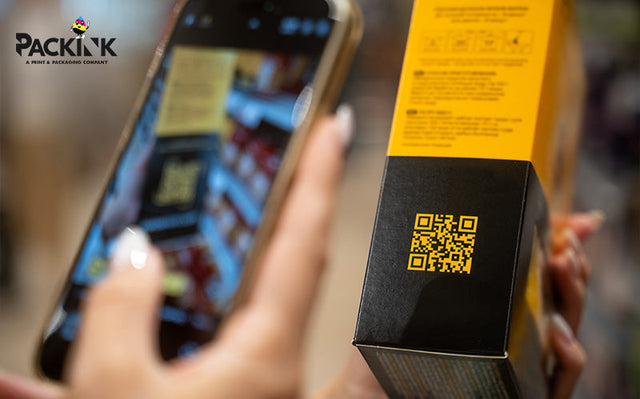
At its core, AR packaging uses scannable codes or images that unlock digital content when viewed through a smartphone. These markers are often printed directly onto the packaging or onto customised stickers. Once scanned, they transform a static box into something interactive, whether it’s a welcome video, a how-to guide, or even an animation that brings the brand story to life.
However, the real value lies in what happens after the scan. Brands can use this tool to share engaging content that encourages customers to return. A cooking brand might offer quick recipes, while a skincare company could reveal self-care tips.
By providing helpful, relevant content instead of just pushing products, businesses show they understand their customers’ needs. This sense of care and usefulness turns unboxing into an immersive customer experience that goes beyond the product itself, laying the foundation for trust and encouraging long-term loyalty.
Is It Possible to Implement AR Cost-Effectively?
One of the biggest misconceptions is that AR packaging requires heavy investment. In reality, QR code-based systems make it accessible even for small and medium enterprises in Singapore (SMEs). To make implementation smoother and budget-friendly, consider these tips:
-
Start simple: Use QR codes linked to a webpage with basic content, like a welcome video or product care guide, before investing in more advanced features.
-
Repurpose existing assets: Turn marketing materials, social media clips, or tutorial videos you already have into AR experiences instead of creating new ones from scratch.
-
Test with limited runs: Pilot the feature on a small batch of packaging to gauge customer response and refine the experience before scaling up.
Designing Packaging for Maximum Impact
The success of AR packaging also depends on thoughtful design. After all, your customers should instantly know where and how to scan; otherwise, even the most creative idea can fall flat. Keep these tips in mind:
-
Guide the eye: Use icons, arrows, or short text like “Scan here” so customers don’t miss the interactive element.
-
Use visual cues: Incorporate stickers or print labels that complement the packaging’s colour scheme and design. This helps draw attention without disrupting the overall look.
-
Keep it clean: Avoid overcrowding the packaging with too many instructions.
Tips for Measuring Engagement
One of the biggest advantages of AR packaging is that it gives measurable results. Instead of guessing how customers respond, brands can track real interactions and use that data to improve future campaigns. Here are a few simple ways to measure success:
-
Scan rates: Monitor how many customers actually scan the code to gauge overall interest.
-
Time spent: Look at how long users interact with the content to see if it holds their attention.
-
Content preferences: Track which videos, guides, or games get the most engagement so you know what resonates best.
-
Repeat visits: See if customers return to the AR experience more than once, which is a strong sign of loyalty.
By turning packaging into a channel for customer data, it shifts from being just an expense to becoming a valuable marketing asset.
Ready to Redefine Your Packaging Strategy?
In an era where unboxing moments are filmed, shared, and reviewed online, standing out takes more than eye-catching visuals. AR packaging gives businesses the chance to turn a routine delivery into a memorable brand experience. With affordable tools and thoughtful design strategies, even smaller businesses in Singapore can use this technology to engage customers and build loyalty.
At PackInk, Singapore’s leading packaging supplier, we help you make the leap from concept to execution. Whether it’s integrating AR into your cartons or adding scannable elements with customised stickers, we’re here to bring innovation to your packaging.
Get in touch with us today, and transform every unboxing into a powerful brand connection.
0 Comments
There are no comments for this article. Be the first one to leave a message!