Why QR Codes on Packaging Are Taking Over Post-Sale Interactions
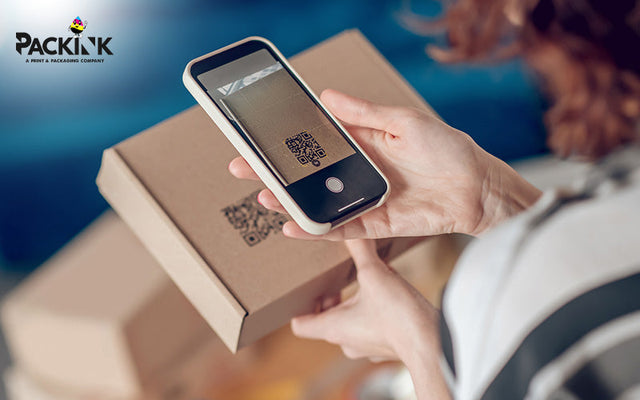

Packaging used to end its job the moment a product was unboxed. Today, it’s just the beginning. In Singapore, Quick Response (QR) codes are everywhere, from contactless payments to restaurant menus, making them second nature to consumers. Now, these scannable codes transform ordinary packaging into interactive tools that guide, reward, and re-engage customers. Whether it’s a scan-to-shop reorder, a how-to video, or a loyalty sign-up, here’s how QR code packaging keeps the conversation going long after checkout.
Key Takeaways
-
QR code packaging turns boxes and labels into valuable customer engagement tools, not just protective wrappers.
-
A single scan can lead to tutorials, exclusive deals, loyalty programmes, or even scan-to-shop reorders.
-
Dynamic codes enable content to be updated after printing, keeping campaigns fresh without redesigning their packaging.
-
QR codes are affordable and easy to implement, making them accessible for small and medium enterprises (SMEs).
-
Smart placement helps QR codes drive engagement, streamline reorders, and even provide easy access to product information.
-
In Singapore’s mobile-first market, QR codes align with existing consumer habits, making adoption seamless and effective.
What is a QR Code, and How Does it Work?

A QR code is a two-dimensional barcode that stores information in a grid of black and white squares. Unlike traditional barcodes that only read horizontally, QR codes can be scanned both vertically and horizontally, allowing them to hold significantly more data.
For customers, using a QR code is simple:Open the camera app or a QR scanner app on a smartphone.-
Point the camera at the code.
-
A link or prompt appears on the screen, leading directly to a webpage, video, app, or other digital content.
From a business perspective, this means QR code packaging can deliver digital experiences instantly, without requiring customers to type URLs or download extra software. Codes can be:
Static: With fixed destinations.-
Dynamic: Which can be updated after printing, making them suitable for promotions or changing instructions.
Why QR Codes on Packaging Work
Traditionally, packaging was used to serve a single purpose: to protect and deliver products. Today, it has become a direct channel for customer engagement. With QR code packaging, every carton, insert, or label becomes a gateway to digital experiences.
Customers in Singapore are already familiar with QR scanning in daily life, from making payments with GrabPay or PayNow to checking in during the SafeEntry period. This familiarity lowers barriers to engagement and makes QR code packaging a natural extension of existing consumer behaviour.
Practical Applications for Businesses
1. Turning Packaging into a Marketing Channel
A simple scan can lead customers to landing pages, digital catalogues, upsell offers, or loyalty programmes. Additionally, the unboxing moment is often when the customer’s attention is at its peak, making it the ideal time to guide them toward further interaction with your brand.
2. Making the Unboxing Interactive
Unboxing is often the first direct experience a customer has with a product. QR code packaging turns this moment into something more engaging and memorable. For example:
-
A skincare brand might link to a quick video tutorial.
-
A fashion retailer could share a digital lookbook with styling ideas.
-
A subscription box might reveal hidden rewards or gamified surprises.
Each scan adds value to the customer while also providing businesses with useful data that can shape their future marketing decisions.
3. Simplicity and Affordability for Small Businesses
One of the biggest advantages of QR code packaging is its ease of use and cost-effectiveness, especially when compared to near-field communication (NFC) tags or augmented reality (AR).
The setup is straightforward:
-
Codes can be generated through free or low-cost online tools.
-
They can be printed with standard printing services or label printing.
-
Add a clear call to action, such as “Scan to shop for new arrivals” or “Scan for care tips”, to ensure that customers know what to expect.
This flexibility means that even small businesses, whether it’s a local snack brand or a home-based café, can create the same kind of connected, interactive experience as larger brands.
3 Smart Packaging Ideas with QR Codes

1. Scan-to-Shop: Turning Returns into Second Sales
Returns are often seen as a loss, but QR code packaging can turn them into another sales opportunity. By including a QR code in return kits or on carton boxes, businesses can redirect customers to products they might prefer. For example:
-
A code on a return form could lead to a page titled “Didn’t love it? Try this instead”, showcasing alternative items.
-
Beauty and fashion retailers in Singapore can recommend complementary products, such as a new accessory that pairs with the returned dress.
-
Tech brands can guide customers to a “Help Me Choose” product selector, reducing the chance of another mismatch.
This offers an innovative approach to recovering lost sales while maintaining a positive brand impression. Rather than simply ending the relationship when a return is processed, this interactive packaging creates a loop that encourages customers to re-engage and shop again.
2. Educational Add-ons: Videos, Manuals, or Recipes

Packaging space is limited, but digital space is limitless. Through QR codes, businesses can provide helpful resources that improve the customer experience without cluttering the box.
-
A skincare company can add a “Scan for How-To” code that links to short application tutorials.
-
A tea brand can provide brewing guides, flavour notes, or the story of where the tea is sourced.
-
For tech gadgets or health supplements, QR codes can link to digital manuals, installation videos, or dosage charts, reducing the need for bulky printed inserts.
This not only improves usability but also reduces post-purchase frustration, lowering the number of support enquiries. For industries with regulatory requirements, QR code packaging can also point customers to the most up-to-date product documents, ensuring compliance without overloading the packaging. In this manner, businesses can build trust and position themselves as proactive partners in the customer journey.
3. Loyalty, Referrals & Post-Sale Surveys
A purchase doesn’t have to mark the end of the brand-customer relationship. QR code packaging can extend engagement by linking customers to loyalty programmes, referral campaigns, and feedback opportunities. A single scan could unlock:
-
Loyalty points or rewards through integrated platforms like Smile.io.
-
A personalised referral link that customers can share with friends.
-
A short satisfaction survey in exchange for a small discount code.
-
Direct links to Google, Lazada, or Shopee review pages to encourage social proof.
For smaller e-commerce brands in Singapore, this is particularly valuable. Without investing in expensive customer relationship management (CRM) systems, they can still build loyalty, collect data, and measure results. In short, QR code packaging offers businesses an affordable way to keep customers coming back while getting more value out of every interaction.
Placement Strategies for Maximum Engagement

Even the best-designed QR codes won’t deliver results if customers never notice or scan them. Strategic placement is essential to ensure that QR code packaging encourages the right action at the right time.
Here are some of the most effective placements businesses can consider:
-
Outer packaging: QR codes on the shipping boxes or mailers are ideal for promotions, referral links, or scan-to-shop campaigns. They capture attention the moment the delivery arrives, even before unboxing.
-
Inner flaps or under the lid: Codes placed inside the packaging create a sense of discovery. These are best used for loyalty rewards, personalised thank-you notes, or exclusive content.
-
Product labels: For items like beverages, cosmetics, or supplements, QR codes on labels and stickers offer quick access to tutorials, compliance documents, or ingredient information.
-
Inserts and thank-you cards: QR codes on inserts allow for seasonal promotions, satisfaction surveys, or review requests, all without redesigning the main packaging. This flexibility is especially useful for small e-commerce brands running short-term campaigns.
By aligning placement with purpose, businesses can turn every part of their packaging, from the box itself to the smallest label, into a functional engagement tool.
The Future of QR Code Packaging in Singapore

QR codes may be simple in design, but their role in packaging is only growing. As Singapore continues to embrace mobile-first lifestyles, QR code packaging is set to become a standard rather than an option.
Here are some key trends set to shape the future:
1. Smarter Integration with E-commerce Platforms
Instead of linking to a static landing page, future QR codes will connect directly to personalised e-commerce experiences. Imagine scanning a code on a carton and being taken to a pre-filled cart with recommended add-ons based on your last purchase.
2. Hyper-Personalisation at Scale
Advances in digital printing will allow brands to create unique codes for individual customers, offering birthday discounts, exclusive bundles, or region-specific campaigns. This takes loyalty one step further by making every package feel tailored.
3. Regulatory and Compliance Use Cases
As industries like food, pharmaceuticals, and cosmetics face stricter requirements, QR codes may become the standard for delivering real-time compliance documents. Businesses will be able to update information instantly without altering physical packaging, keeping pace with changing regulations.
4. Immersive Customer Experiences
Looking ahead, QR codes will be paired with AR, virtual reality (VR), and even metaverse-style engagement. A scan on a retail box could trigger a 3D product demo or invite customers into a virtual showroom. While still emerging, these innovations will further blur the line between physical packaging and digital interaction.
5. Integration with Loyalty and Payment Systems
As mobile wallets and digital rewards platforms become standard in Singapore, QR codes are likely to link directly to payment and loyalty functions. A scan on packaging could let customers pay for a refill, instantly collect reward points, or redeem discounts without extra steps. This makes QR code packaging not just an engagement tool but also part of the transaction itself.
Businesses that adopt these strategies early will have a competitive advantage, positioning the brand for long-term relevance in a digital-first economy.
Frequently Asked Questions
Q1: What types of businesses benefit most from QR code packaging?
QR codes can add value across many industries. E-commerce brands use them for reorders and loyalty programmes, food and beverage (F&B) companies link to menus or recipes, while fashion and beauty retailers use them for style guides or tutorials. Even B2B suppliers benefit by adding codes on bulk packaging for safety sheets or reordering portals.
Q2: How can I encourage customers to scan the QR code?
Visibility and value are key. Place the code where customers naturally look, such as on labels, flaps, or inserts. Don’t forget to pair it with a clear call to action, like “Scan to shop” or “Scan for tips.” The more specific the benefit, the higher the likelihood of engagement.
Q3: Can QR codes be customised to match my branding?
Yes. With professional printing services, QR codes can be styled with brand colours, logos, or creative frames while remaining scannable. This ensures the code appears integrated with the overall packaging design, rather than an afterthought.
Q4: Are QR codes secure for sharing product or company information?
When used correctly, QR codes can be secure. Businesses should always link to official websites, verified landing pages, or trusted platforms. Using dynamic QR code providers also allows for monitoring and updating links if needed, adding another layer of control.
Q5: How do I measure the effectiveness of QR code packaging?
Dynamic QR codes provide analytics such as scan counts, device types, locations, and times. This data helps businesses understand customer behaviour and refine campaigns. Even simple metrics, like how many customers scanned for tutorials or left reviews, offer valuable insight into post-sale engagement.
Making Every Scan Count for Your Business
For businesses in Singapore, packaging no longer ends at delivery. With QR code packaging, every box, label, or insert becomes an opportunity to engage, educate, and retain customers. From scan-to-shop reorders to digital tutorials and loyalty programmes, the possibilities are both simple and affordable. By adopting this approach today, brands can create packaging that works harder and builds stronger customer connections.
At PackInk, we specialise in bringing these ideas to life. From professional printing services to customisable packaging solutions, our team is here to help you connect both online and offline customer experiences. Get in touch with PackInk today and learn how you can turn every delivery into a powerful customer experience.
0 Comments
There are no comments for this article. Be the first one to leave a message!