Custom Corrugated Boxes: The Backbone of Safe Bulk Shipping
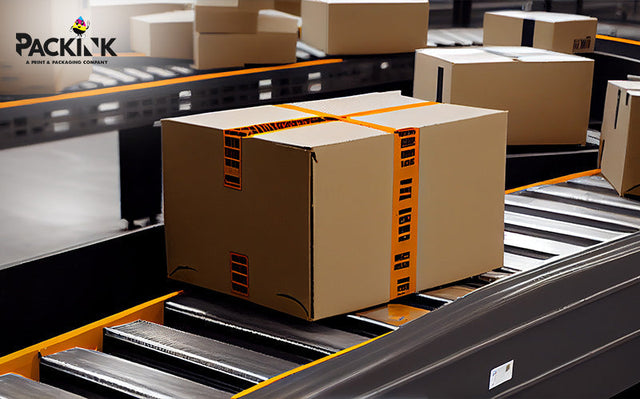
When it comes to bulk shipping, packaging plays a bigger role than many realise. For B2B operations in Singapore, choosing the right box can mean the difference between pristine delivery and costly damage.
That’s where custom corrugated boxes stand out. Unlike off-the-shelf options, they’re built for strength, tailored to fit your products, and double up as a platform for branding and handling instructions. With Singapore’s focus on supply chain efficiency and sustainability, more businesses are opting for custom solutions that balance protection, space, and cost.Key Takeaways
-
Custom corrugated boxes provide essential protection against heavy loads, moisture, and compression, making them crucial for safe industrial shipping.
-
Choosing the right board grade and flute type ensures that packaging strength matches product weight, fragility, and branding needs.
-
By opting for the right packaging size, businesses can reduce wasted space, lower shipping costs, and support eco-friendly practices.
-
Functional add-ons such as partitions, inserts, tamper-evident seals, and special coatings enhance usability, safety, and compliance across industries.
-
Regulatory compliance is crucial. Pharmaceuticals require tamper-proof features and clear label printing, electronics may need anti-static protection, and food exports must meet hygiene standards.
Why Corrugated Boxes Matter for Bulk Shipping

1. Durability and Structural Strength
Durability is non-negotiable when it comes to industrial packaging. Custom corrugated boxes are designed to withstand heavy loads, absorb shocks, and resist compression. These qualities are essential for long-haul shipping and containerised freight.
The structural strength comes from the combination of linerboard layers and fluting types, categorised into A, B, C, and E. For heavier consignments, such as auto parts, industrial tools, or electronic equipment, double-wall or triple-wall corrugated boards provide the additional reinforcement required. Businesses shipping large volumes across Southeast Asia or internationally can rely on these stronger configurations to minimise product loss.
2. Protection Against Moisture and Environmental Damage
Singapore’s humid climate creates a constant challenge for large-scale shipping. Excess moisture, condensation inside containers, and temperature variations can compromise entire shipments, especially for sensitive goods like pharmaceuticals, food, or electronics.
For instance, a distributor moving temperature-sensitive supplements across the island may opt for custom corrugated boxes with moisture-resistant coatings. Similarly, an electronics supplier shipping circuit boards overseas may request anti-static liners to prevent short circuits. Businesses transporting frozen or chilled items can benefit from insulated inserts that stabilise internal temperatures, ensuring compliance with industry standards.
This is where partnering with an experienced custom box manufacturer makes all the difference. They can recommend bulk packaging solutions with the right coatings, liners, and inserts tailored to the requirements of each sector.
3. Stackability and Warehouse Optimisation

In B2B shipping, efficiency extends beyond transit and begins in the warehouse. Custom corrugated boxes designed with consistent dimensions allow for better palletisation, stackability, and integration with warehouse automation systems.
Take a fast-moving consumer goods (FMCG) distributor handling bottled beverages, for example. Custom corrugated boxes in the right sizes allow for maximum utilisation of pallet space, reducing the number of containers needed for export. Alternatively, an e-commerce fulfilment centre may use shipping boxes with standardised dimensions to help automated conveyors and robotic sorters move items faster, cutting down manual handling time.Strong corrugated walls also prevent collapse during stacking. For exporters shipping multiple tonnes of industrial fasteners or machine components, this means greater confidence that goods will arrive intact without damage from compression. The result is better use of warehouse space, lower storage costs, and faster turnaround in high-volume operations.
What to Consider When Ordering Custom Corrugated Boxes

1. Choose the Right Board Grade and Flute Type

The choice of board grade and fluting directly influences the performance of your custom corrugated boxes. Businesses must consider:
a. Single-Wall vs. Double-Wall vs. Triple-Wall
-
Single-wall corrugated cardboard boxes are the most common choice for lightweight items such as apparel, consumer electronics, or small FMCG products.
-
Double-wall provides two layers of fluting, offering added protection for mid-weight shipments like bottled beverages, medical supplies, or machinery parts.
-
Triple-wall offers maximum strength and is often compared to wooden crates. It is used for extremely heavy or bulky goods such as auto parts, industrial tools, or export machinery.
b. Fluting Types
-
A-flute: The thickest flute, excellent for cushioning fragile products such as glass bottles, laboratory instruments, or ceramics.
-
B-flute: Compact and space-efficient, commonly used for canned goods, retail boxes, and products requiring high stacking strength.
-
C-flute: The industry standard, balancing cushioning and crush resistance. This option is suitable for electronics, packaged food, and general retail shipping.
-
E-flute: Thin and smooth, offering high print quality for sharp graphics. Popular for retail displays, premium product boxes, or any application where branding visibility matters.
c. Testing Standards
To ensure your custom corrugated boxes meet real-world performance requirements, manufacturers often rely on:
-
Edge Crush Test (ECT): Measures stacking strength and indicates how well the box resists crushing under vertical pressure. This is critical for warehouse storage and container stacking.
-
Bursting Strength Test: Measures resistance to punctures and ruptures, ensuring protection against external impact during handling.
Choosing the right specifications ensures that your packaging can handle both the physical stresses of transport and the branding requirements of your business.
2. Size and Shape Optimisation for B2B Shipping
Generic, one-size-fits-all packaging often creates inefficiencies in the supply chain. Oversized boxes leave unnecessary empty space, which must then be filled with bubble wrap, foam, or other materials. This adds to material costs and increases shipping expenses. This problem is often more pronounced in air freight, where fees are calculated based on both size and weight, making wasted space an expensive mistake.
Custom corrugated boxes solve this problem by allowing businesses to right-size dimensions to fit their products precisely. This reduces the need for unnecessary fillers and ensures more efficient use of cargo space.
Additionally, specialised shapes like die-cut or telescopic boxes provide a snug fit for irregularly shaped items. For example, businesses shipping machinery components can tailor their packaging dimensions accordingly to prevent products from shifting during transit. Beyond cost savings, optimised sizing also supports eco-friendly packaging goals by minimising material use and lowering the overall carbon footprint.
3. Printing and Branding Opportunities
Today, packaging also serves as a communication channel. Custom corrugated boxes allow businesses to integrate branding and logistical information directly on the box surface.
Options include:
-
Company logos and taglines for brand recognition.
-
Handling instructions (e.g., “Fragile”, “This Side Up”) for safe handling.
-
Barcodes, QR codes, and labels for inventory tracking.
Advanced printing services, such as flexographic printing or litho-laminate, also enable high-resolution designs. For businesses in corporate gifting, electronics, or e-commerce, these solutions allow packaging to become both functional and promotional, elevating customer perception even in B2B contexts.
4. Functional Add-Ons and Custom Features
Depending on the industry, businesses may require functional add-ons or custom engineering that adapts custom corrugated boxes to specific handling, storage, or product needs.
a. Handles or perforations
These are especially useful for mid-sized loads that need to be manually carried, such as electronics, medical devices, or premium gift sets. They improve ergonomics for warehouse staff and reduce the likelihood of accidents caused by awkward lifting.
b. Partitions or inserts
Businesses shipping fragile items like glassware, laboratory instruments, or consumer electronics often use corrugated inserts or dividers. These hold each product securely in place, preventing contact and reducing breakage during transit. For B2B clients in hospitality and retail, partitions also simplify stocking by delivering ready-to-shelf units.
c. Security seals or tamper-evident closures
For pharmaceuticals, cosmetics, or high-value goods, tamper-evident features assure customers that the package hasn’t been interfered with. This is not just a safety measure but also a compliance requirement in industries regulated by Singapore’s Health Sciences Authority (HSA).
d. Special coatings or linings
Beyond strength, some businesses request water-resistant, anti-static, or grease-proof coatings for products such as electronics, chemicals, or frozen foods. These coatings add functionality without requiring separate layers of packaging.
5. Compliance and Industry Standards

Packaging for B2B operations in Singapore must also meet industry-specific compliance standards. Regulatory frameworks often dictate the type of materials, sealing methods, and protective features required for safe and lawful distribution.
a. Pharmaceuticals
Custom corrugated boxes for this sector may include tamper-evident closures, reinforced seals, and moisture-resistant liners to ensure drugs arrive in their intended condition. In addition, precise label printing is essential for compliance; clear dosage information, barcodes, and tracking labels not only meet regulatory standards but also strengthen transparency.
b. Electronics
Anti-static packaging is essential to prevent sensitive components from being damaged by electrostatic discharge. Boxes may be lined with conductive or dissipative materials or paired with custom inserts to shield items like semiconductors, circuit boards, or medical electronics during transit.
c. Food and Beverage Exports
Exporters must comply with hygiene and safety certifications, which often require food-grade liners, grease-resistant coatings, or insulated inserts to keep perishables safe during shipping. With Singapore’s reputation as a hub for food re-exports, maintaining these standards is crucial for market access.
By working closely with a knowledgeable supplier, businesses can ensure that their custom corrugated boxes are designed not only for strength and efficiency but also to comply with both local regulations and international shipping standards. This proactive approach reduces the risk of rejected shipments, fines, or reputational damage.
Frequently Asked Questions
1. Are custom corrugated boxes recyclable?
Yes. The majority of corrugated boxes are produced from recycled fibres and can be recycled again after use. This makes them a practical choice for businesses in Singapore seeking sustainable packaging solutions. By opting for corrugated cartons, companies can reduce landfill waste, support circular economy practices, and strengthen their environmental, social, and governance (ESG) reporting. For added sustainability, PackInk also offers options with Forest Stewardship Council (FSC)-certified materials and biodegradable inks.
2. Can PackInk help design box dimensions for my specific products?
Absolutely. Whether you need snug inserts for delicate electronics, moisture-resistant coatings for pharmaceuticals, or print-ready boxes for corporate gifting, our team will recommend the right custom corrugated box design to suit your operational needs. This ensures your packaging is both protective and cost-efficient.
3. What is the minimum order quantity for B2B custom corrugated boxes?
The minimum order quantity (MOQ) varies depending on box size, complexity, and printing requirements. For example, plain corrugated cartons may have a lower MOQ than fully branded packaging with multi-colour printing services and specialised coatings. PackInk works with businesses of all sizes, so we can tailor MOQ requirements to your industry and supply chain needs.
4. Do custom corrugated boxes support branding and compliance requirements?
Yes. With PackInk’s printing services and trusted packaging solutions, businesses can include essential compliance details while also incorporating add-ons like logos and QR codes for brand visibility. This is particularly valuable for regulated industries like pharmaceuticals, electronics, and food exports, where accurate labelling and professional presentation are equally important.
5. How long does production usually take?
Lead times depend on order size, design complexity, and customisation features. For standard cartons, production can be relatively quick, while custom corrugated boxes with high-resolution branding or specialised inserts may require longer. PackInk will work closely with you to align production schedules with logistics timelines, helping you avoid costly delays in industrial packaging and distribution.
6. What factors influence the cost of custom corrugated boxes?
Pricing depends on several elements, including box size, board grade, flute type, print requirements, and order volume. Special features, such as inserts, coatings, or tamper-evident seals, may also affect costs. PackInk provides transparent quotations so businesses can balance functionality with budget.
Conclusion
Well-designed packaging is an essential part of doing business at scale. For businesses in Singapore, custom corrugated boxes provide the balance of strength, flexibility, and sustainability needed to meet the demands of modern logistics.
At PackInk, we work with both B2B and B2C companies to design packaging solutions tailored to their products, supply chains, and branding goals. Whether you need durable cartons for industrial shipping or eco-friendly options that support sustainability targets, our team is here to help you find the right fit for your business.
Contact us to request a consultation or quotation tailored to your industry.
0 Comments
There are no comments for this article. Be the first one to leave a message!