Sustainable Packaging in Singapore
Explore sustainable packaging that businesses can use for everyday packing, e-commerce fulfilment and deliveries. Find practical, eco-friendly packaging that brands can order in quantities that suit their needs.
Shop Eco-Friendly and Recyclable Packaging in Singapore
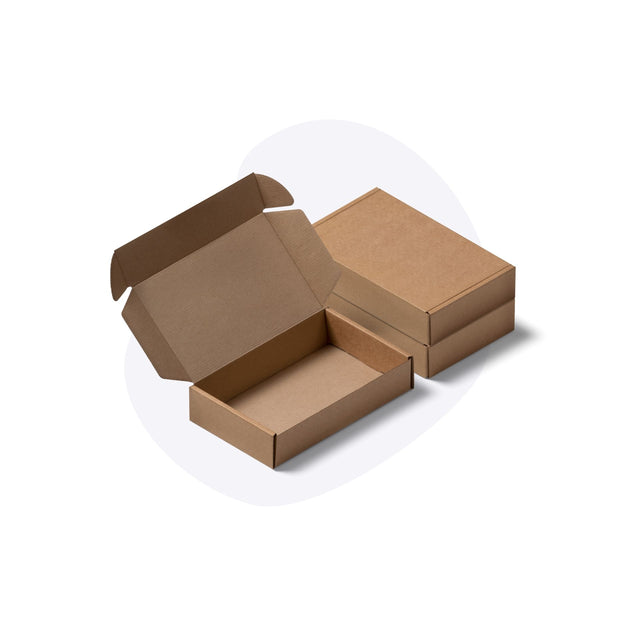
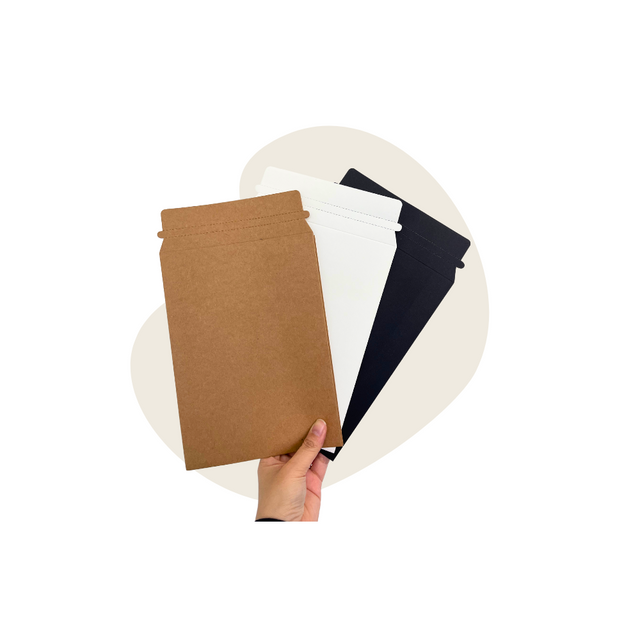
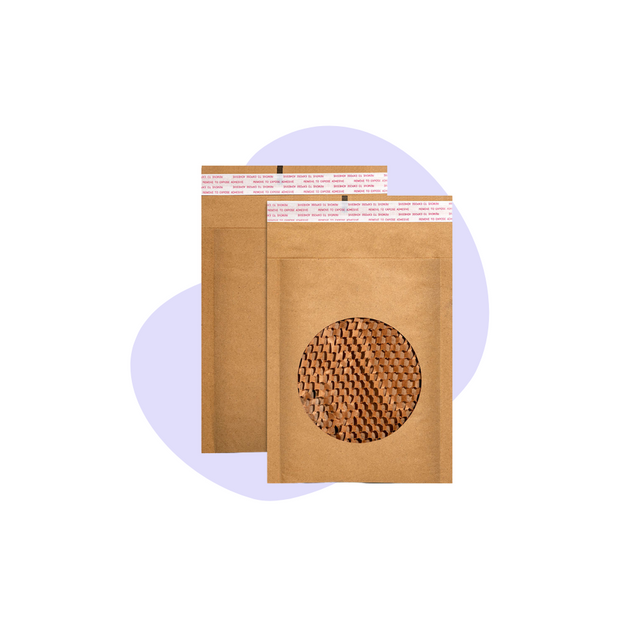
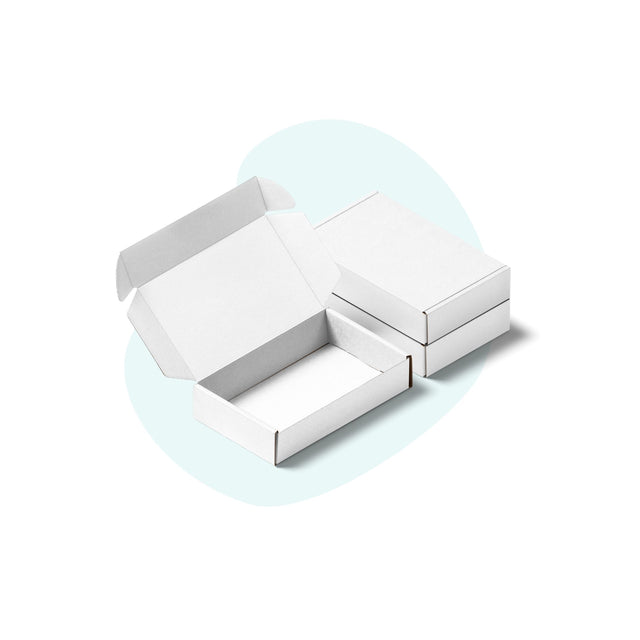
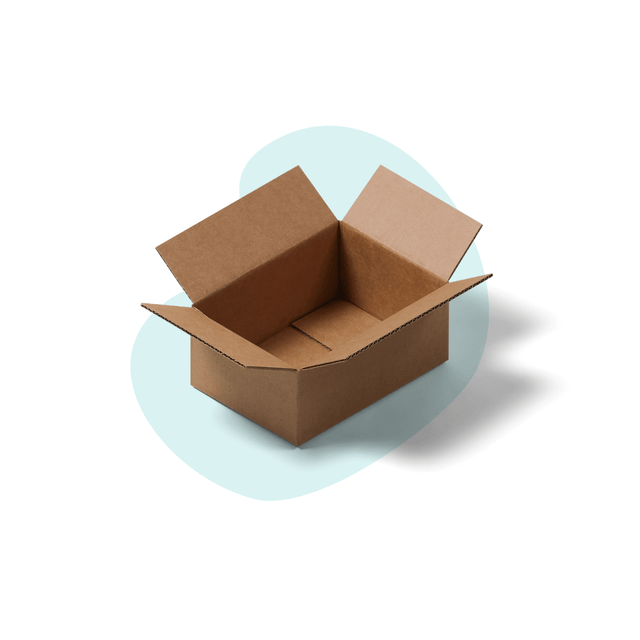
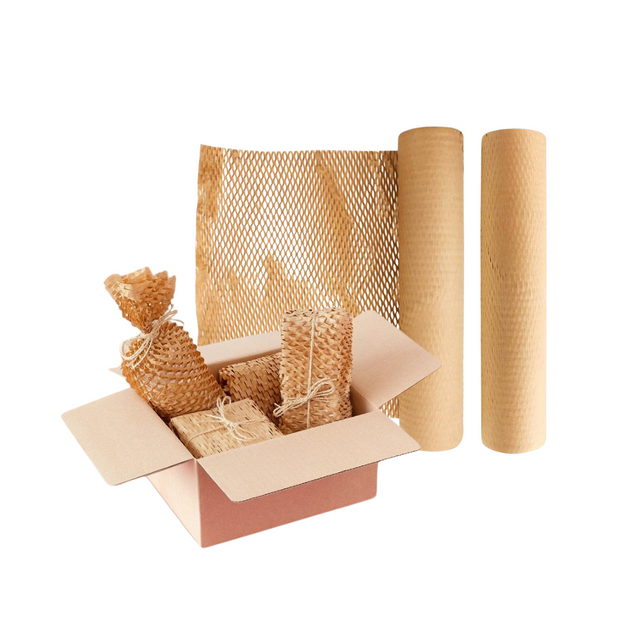
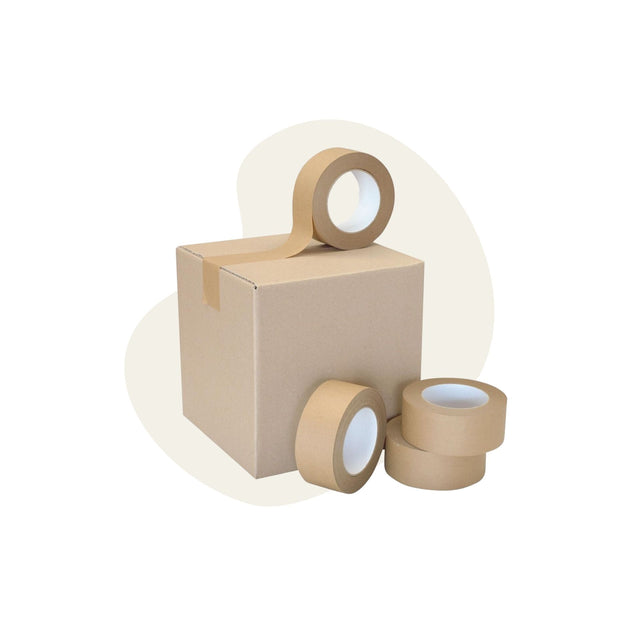
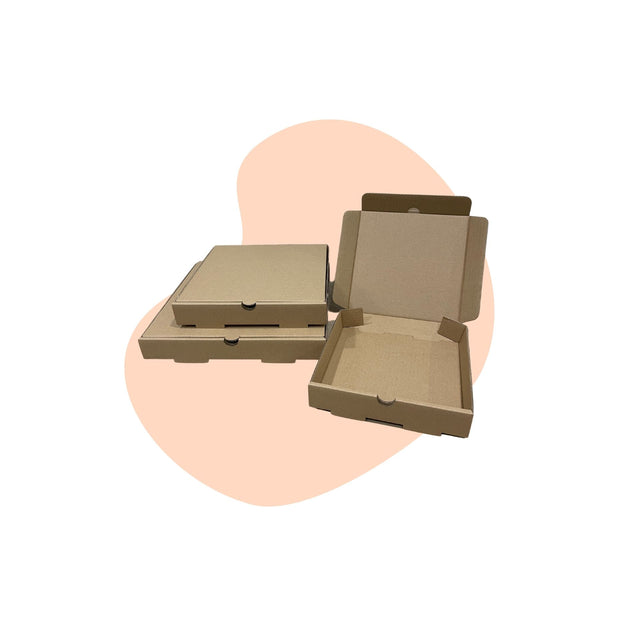
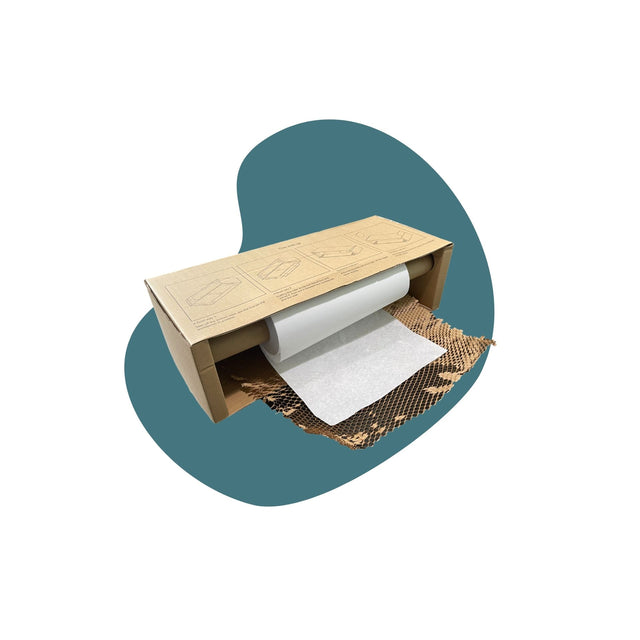
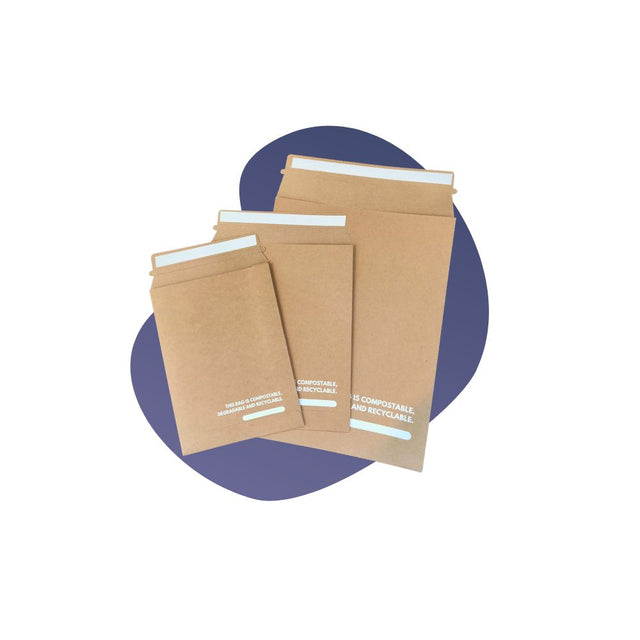
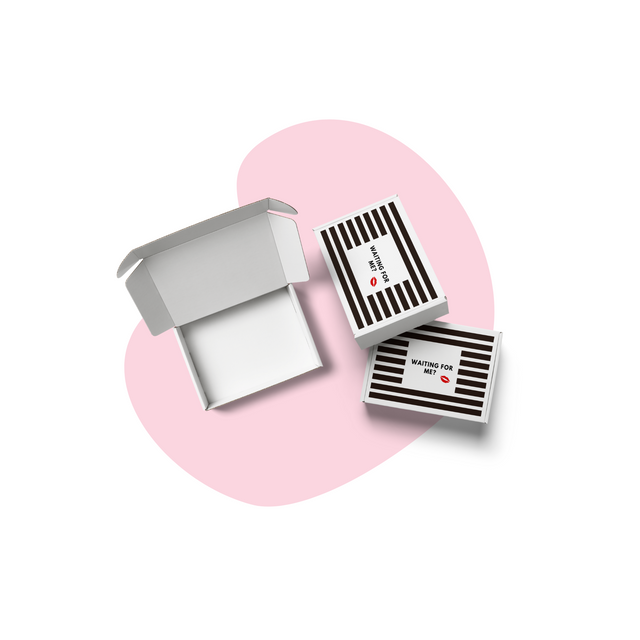
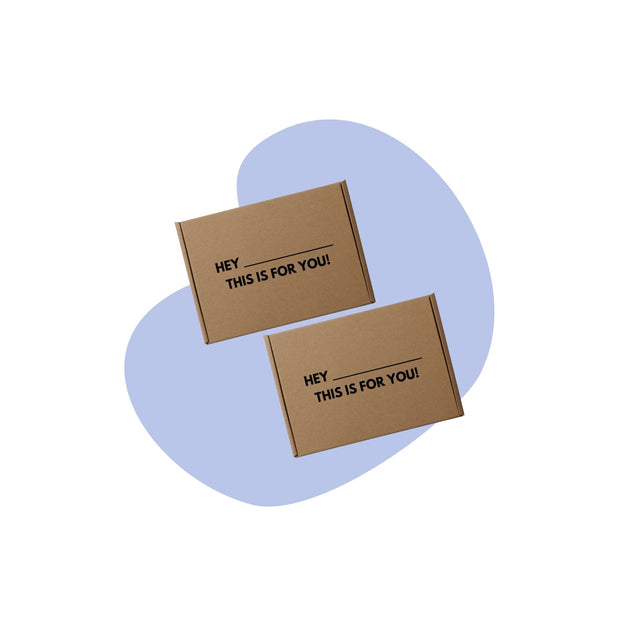
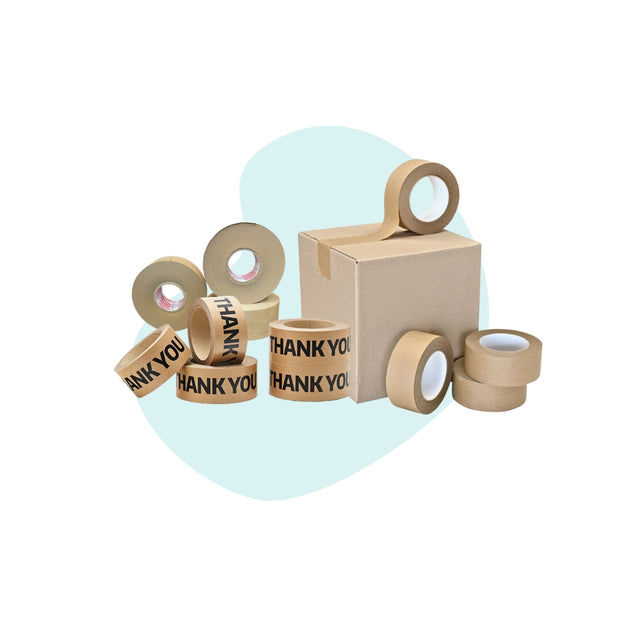
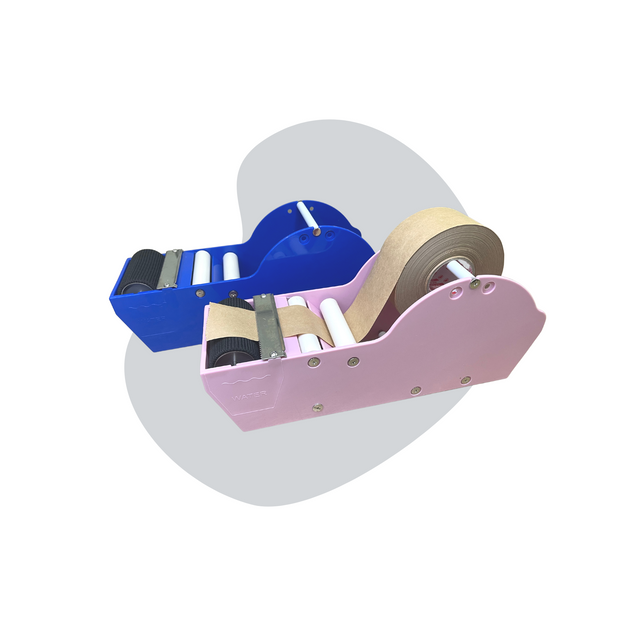
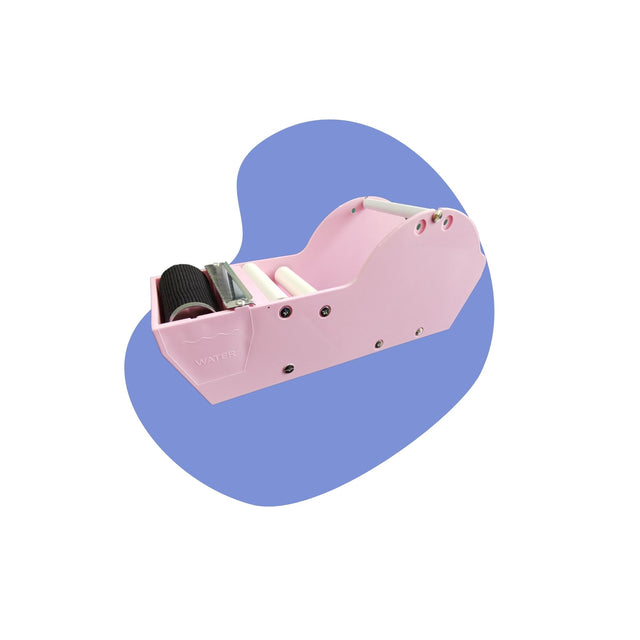
Discover sustainable packaging materials across our collection of carton boxes, paper mailer bags, paper padded envelopes, paper honeycomb wrap, paper tapes and kraft tapes. Every item is paper-based and recyclable, with no minimum order quantity, so you can order exactly what your business needs.



Our Approach to Sustainable Packaging
Sustainability is not about choosing one material for every job. At PackInk, we look at how packaging protects your products, fits your operations and helps you make smarter use of materials.
Balancing Business Needs with Eco Goals
Packaging still needs to work for your product, budget, delivery process and customers. We consider factors such as size, weight, strength and disposal options, helping you balance practical business needs with your environmental goals.
Smarter Use of Paper and Plastics
Paper is not always the right replacement for plastic, and plastic is not automatically the wrong choice. The better option depends on how much material is required, how well it protects the product and what happens to it after use. Our focus is on using paper and plastics more thoughtfully instead of making a material switch that creates more waste.
Custom Solutions for Every Business
Every business packs differently. PackInk can develop custom packaging around your product dimensions, branding and operational needs, with FSC-certified paper, recycled content and plastic-free alternatives available where suitable.
Through our Plant A Tree initiative, PackInk plants a tree with every order through Ecologi and One Tree Planted.
Understanding Sustainable Packaging Claims
Packaging terms can refer to where a material comes from, what it contains or how it can be handled after use. Here is what the most common claims actually mean.
FSC-Certified
FSC-certified material comes through a supply chain that meets the relevant Forest Stewardship Council requirements. The FSC claim used for a product indicates the type of eligible material included, such as material from certified forests, recycled sources or controlled sources.
Recycled Content
Recycled content means that some or all of the packaging material comes from recovered material. The amount and type can differ between products, so check the available specification rather than assuming the entire item is made from recycled material.
Recyclable
Recyclable packaging can be collected and processed into material for new products where a suitable recycling stream is available. Whether it is actually recycled depends on correct disposal, cleanliness, material separation and local recycling facilities.
Biodegradable
Biodegradable packaging can be broken down by microorganisms under suitable environmental conditions. The term does not specify how quickly this happens or whether the required conditions are available within Singapore’s waste-management system.
Compostable
Compostable packaging is designed to break down under specified composting conditions. Some materials require industrial composting facilities and should not be treated as home-compostable unless they are certified for home composting.
Sustainable Packaging and Singapore’s Mandatory Packaging Reporting
Singapore’s Mandatory Packaging Reporting framework requires qualifying companies to report the packaging they supply to the Singapore market and submit plans to reduce, reuse or recycle it. Clear product specifications and packaging weights can support more informed purchasing and reporting decisions.
Who Has to Report
The framework applies to producers of packaged products, such as brand owners, manufacturers and importers, as well as applicable retailers such as supermarkets, when their annual turnover exceeds S$10 million.
Businesses should review NEA’s current assessment criteria because whether a company must report depends on its activities and the packaged goods it supplies in Singapore.
What Has to Be Submitted
Companies covered by Mandatory Packaging Reporting must submit their packaging data and a 3R plan annually. The plan sets out measures the company intends to implement to reduce, reuse or recycle packaging.
Companies must also keep the records needed to support their reported information and provide them to NEA when required.
How Packaging Choices Affect Your Reported Weight
Companies report the packaging they supply to the Singapore market by material type and weight. Choosing lighter or better-sized packaging may lower the total weight reported, while replacing an item with a heavier alternative may increase it.
The effect should therefore be calculated using the actual unit weight and quantity of packaging supplied, not the material name alone.
PackInk supplies the packaging and its available specifications. Companies should confirm their own obligations, calculations and reporting requirements directly with NEA.
How Your Packaging Choices Support a 3R Plan
A 3R plan requires at least one suitable measure to reduce, reuse or recycle packaging. The right purchasing decision depends on what you currently use, what you are packing and how much material is needed to protect it.
| Item Being Replaced or Reviewed | Product in This Collection | 3R Approach and Effect on Reported Weight |
|---|---|---|
| An oversized shipping carton | Right-sized carton box | Reduce—a smaller, suitable box may lower the carton weight reported. |
| A rigid box used for suitable lightweight, non-fragile products | Paper mailer bag | Reduce—a lighter mailer may lower the packaging weight reported. |
| More protective filling than the product requires | Paper honeycomb wrap | Reduce—using only the amount needed may lower the protective packaging weight reported. |
| An oversized padded mailing format | Right-sized paper padded envelope | Reduce—a smaller, suitable envelope may lower the packaging weight reported. |
| More tape than is needed to secure a suitable carton | Kraft paper tape | Reduce—using the necessary amount may lower the tape weight reported. |
Paper is not automatically better, and a substitute that needs several times the material is not an improvement.
Benefits of Sustainable Packaging
By choosing eco-friendly packaging, Singapore businesses can assess through clear specifications, making it easier to compare products properly. Depending on the item, packaging in this collection may contain recycled content or use paper from FSC-certified sources. Every product is paper-based and recyclable, subject to correct disposal and acceptance by the available recycling stream.
Frequently Asked Questions About Sustainable Packaging in Singapore
Find straightforward answers about packaging materials, durability, recycling and Singapore’s Mandatory Packaging Reporting requirements.
What makes packaging sustainable?
Sustainable packaging is designed around its full lifecycle. It may use recycled or responsibly sourced material, avoid unnecessary weight and empty space, and be recoverable through a recycling stream that exists locally.
It should also protect the product properly. Packaging that leads to damaged goods, product waste or repeated replacements may not be a practical improvement, even when it uses a material commonly described as eco-friendly.
Is switching to paper always more eco-friendly?
Not always. While paper is recyclable and biodegradable, it still requires water and energy to produce. The better choice depends on your product, how the packaging will be used and how customers are likely to dispose of it. In some cases, responsibly sourced plastics or reusable materials may be more sustainable than paper.
What is the difference between recyclable, biodegradable and compostable packaging?
Recyclable packaging can be processed into material for new products through an available recycling system. Biodegradable packaging can be broken down by microorganisms under suitable conditions. Compostable packaging is designed to break down under defined composting conditions.
These terms are not interchangeable. Biodegradable or compostable packaging is not automatically accepted in Singapore’s recycling bins, and some compostable materials require industrial facilities.
Are eco-friendly packaging options as durable as traditional materials?
They can be, provided the material and structure are suitable for the product and delivery conditions. Recycled cardboard, kraft paper and other lower-impact options can offer reliable protection, but durability still depends on specifications such as thickness, strength, moisture resistance and the weight of the item being packed.
Does my singapore business need to report Its packaging to NEA?
Your business may need to report if it is a producer of packaged products or an applicable retailer and has an annual turnover exceeding S$10 million. This may include brand owners, manufacturers, importers and retailers such as supermarkets that supply packaged goods in Singapore.
Reporting is conducted annually and generally covers packaging data from the preceding calendar year, according to the reporting cycle set by NEA. PackInk does not provide compliance advice, so businesses should check NEA’s current criteria or contact NEA to confirm whether the requirements apply.
How do I reduce the packaging weight I report under MPR?
Start by comparing the size, unit weight and quantity of the packaging you currently supply. A right-sized carton may use less material and require less void fill, while a paper mailer bag may be lighter for suitable non-fragile products.
Paper-padded envelopes, honeycomb wrap and paper tapes should also be used in quantities that provide enough protection without unnecessary layers. Any reduction should be calculated using the actual packaging weight and quantity supplied during the reporting period.
How can small businesses adopt eco-friendly packaging affordably?
Start with ready-stock packaging and focus on the products your business uses most frequently. PackInk’s paper-based collection has no minimum order quantity, allowing you to test boxes, mailers, wraps and tapes without purchasing more stock than you need.
Choosing a suitable standard size can also reduce empty space and unnecessary material before you move into customised packaging.
Do you provide packaging specifications for sustainability reporting?
PackInk provides the product specifications available for each item, including products such as carton boxes. Depending on the product, these details may include dimensions, material information and unit weight. Specifications can vary, so businesses may contact PackInk when additional available information is needed for their records.
These details can support packaging calculations, but each company remains responsible for its own material classifications, reported figures and submissions to NEA.
Is packInk plastic-free?
No. PackInk is not plastic-free, and we do not believe every plastic application should be replaced without considering how the packaging performs.
Plastic can remain a practical option when it provides the required protection or uses less material than an alternative. PackInk continues to offer products such as stretch film, alongside paper-based options for businesses comparing material use, performance and recyclability.